ADHD Focus Guides
Research-backed essays and practical techniques for beating procrastination and planning with ADHD.
 Featured article
Best ADHD Task Apps in 2026: What Actually Helps Task Paralysis
Not every planner fits ADHD brains. Compare what to look for — micro-steps, low shame UI, voice capture, and honest starting points.
8 min readBest ADHD Task Apps in 2026: What Actually Helps Task Paralysis
Not every planner fits ADHD brains. Compare what to look for — micro-steps, low shame UI, voice capture, and honest starting points.
 5 min read
The 5-Minute Rule for ADHD: A Low-Pressure Way to Beat Task Paralysis
Commit to five minutes, not the whole project. This ADHD-friendly trick lowers the cost of starting and often builds momentum.
 5 min read
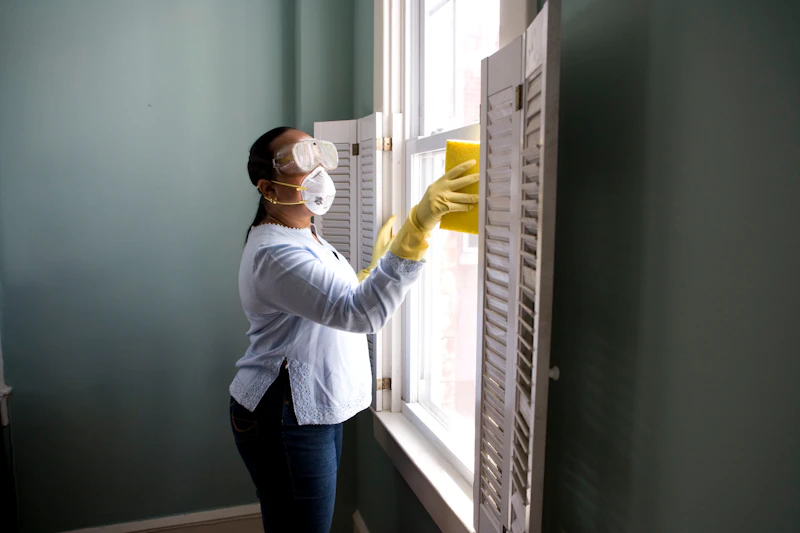
ADHD Cleaning Task Paralysis: How to Start When the Room Feels Impossible
Cleaning with ADHD often stalls on vague goals like "tidy up." Learn micro-steps that make chores feel startable instead of shameful.
 6 min read
How to Break Down a Task When You Feel Completely Overwhelmed
When everything feels too big, start with one tiny action. A practical guide to ADHD-friendly task breakdown when you cannot even begin.
 6 min read
The Body Doubling Resonance: Channeling Focus Through Shared Cognitive Presence
Working near another person, even quietly, can make hard tasks feel less lonely and easier to start.
 5 min read
The Five-Minute Rubicon: Demolishing the Initiation Barrier
The hardest part is often the first few minutes. Smaller steps help you cross the starting line without forcing yourself into a huge work block.
 8 min read
From Overwhelm to Coding: A Developer's Practical Guide to Decomposing Deep Work
Turn vague coding tickets, bug lists, and refactors into small compile-friendly actions that are easier to start.
 7 min read
Visual Noise Filtering: Reclaiming Prefrontal Control in a Loud App Landscape
Too many alerts, badges, tabs, and overdue labels can make ADHD overwhelm worse. A calmer workspace makes starting easier.
 5 min read
Brutalism vs. Minimalism: Designing Sensory-Safe Tools for Focus
Clean apps can still feel hard to use. ADHD-friendly design needs clear actions, strong visual anchors, and less hidden complexity.
 7 min read
Inside Task Paralysis: What Happens in the Brain When You Procrastinate
Procrastination is not always laziness. Sometimes your brain freezes because the task feels too vague, too big, or too emotionally heavy.
 6 min read
The Dopamine Deficit: Why Standard To-Do Lists Fail the ADHD Brain
Normal to-do lists often hide the hardest part: figuring out how to start. Learn why smaller steps can work better for ADHD task paralysis.